

A missed mortgage payment can turn into a pile of letters, calls, and deadlines faster than most homeowners expect. When comparing a short sale versus foreclosure, the right choice often comes down to how much time you have, whether your lender will cooperate, and how much control you want to keep over the sale of your home.
Neither situation is easy. But understanding the difference can help you make a clear decision before the lender makes one for you. If you are behind on payments, the best next step is usually to get accurate information early, review your options without judgment, and avoid waiting until the final days before an auction.
Short Sale Versus Foreclosure: The Main Difference
A short sale is a home sale where the lender agrees to accept less than the total amount owed on the mortgage. For example, you may owe $300,000, but the home may only sell for $250,000 after costs. Because the lender has a lien on the property, it must approve the sale and decide whether to accept the lower payoff.
Foreclosure is different. It is the legal process a lender uses to take back a property after a borrower defaults on the mortgage. Depending on state law, foreclosure may involve court proceedings or a nonjudicial process. If the home is not sold or the loan is not resolved in time, it may be sold at a public auction or become lender-owned property.
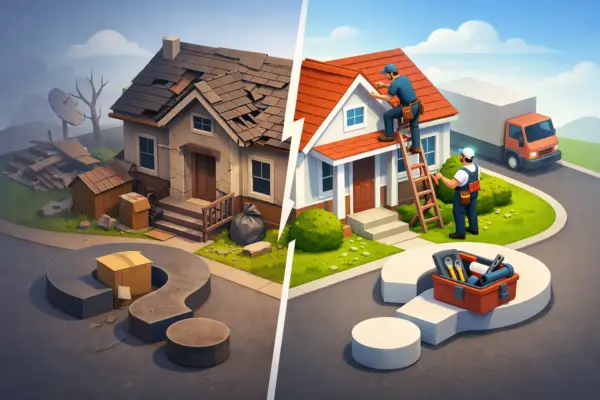
The key distinction is control. With a short sale, you are actively trying to sell the property and negotiate a resolution with the lender. With foreclosure, the lender directs the process after you have fallen behind. A short sale is not always possible, but it can give you more influence over the outcome than simply allowing the property to go to auction.
How a Short Sale Works
A short sale begins when the homeowner contacts the mortgage lender or servicer and explains the financial hardship. Hardship can include job loss, illness, divorce, reduced income, relocation, major expenses, or a property value that no longer supports the loan balance.
The lender typically asks for financial documents, a hardship letter, bank statements, proof of income, and information about the property. A buyer must then submit an offer. The lender reviews the offer, the home’s value, your financial situation, and the expected loss compared with foreclosure.
This review can take weeks or even months. That delay is one reason a short sale can be difficult when a foreclosure sale date is close. Even when a buyer is ready, the lender may request more documents, counter the offer, or decline the deal.
A short sale also does not automatically mean you are free from the unpaid balance. Some lenders agree to waive the deficiency, meaning they will not pursue the remaining amount owed. Others may reserve the right to seek it, depending on the loan terms and state law. Get the lender’s decision in writing and consider speaking with a qualified real estate attorney or housing counselor before signing any agreement.
What Happens in a Foreclosure
Foreclosure usually starts after several missed payments, but the timeline varies by lender and state. You may receive notices of default, opportunities to reinstate the loan, loss-mitigation applications, and eventually a notice of a foreclosure sale.
The home may be auctioned to the highest bidder. If no one purchases it, the lender may take ownership and list it later as a bank-owned property. By that point, the homeowner has generally lost possession, although eviction timelines also vary by location.
The emotional toll can be significant. Many homeowners feel embarrassed or overwhelmed, especially when they are also dealing with a divorce, inherited property, medical bills, tenant problems, or an unexpected move. Foreclosure is a financial process, not a personal failure. Still, acting early can preserve more choices and reduce the uncertainty surrounding your next move.
Credit Impact and Future Housing
Both a short sale and a foreclosure can damage your credit. The exact impact depends on your credit history, how many payments were missed, how the lender reports the account, and other debts on your report.
In many cases, foreclosure is viewed more negatively because it shows the loan ended through a lender repossession process. A completed short sale may be less damaging, particularly when the account is reported as settled, paid for less than the full balance, or otherwise resolved without foreclosure. That does not mean a short sale is harmless. Late payments leading up to the sale can still lower your score substantially.
Future borrowing may become more difficult after either outcome. Mortgage programs, landlords, and lenders have different waiting periods and underwriting standards. If protecting your credit is a primary concern, ask your lender how it intends to report the completed transaction. Do not rely on verbal promises alone.
Timing Can Decide the Best Option
A short sale needs lender approval, and that approval is rarely fast. If you have months before a scheduled foreclosure sale and a realistic buyer is available, a short sale may be worth pursuing. It may help you avoid an auction, leave on a more orderly timeline, and resolve the property before the lender takes it back.
If the sale date is only days away, a conventional short sale may not be practical. A direct cash sale can sometimes close faster because there is no buyer financing, appraisal contingency, repair negotiation, or long marketing period. The lender may still need to approve a payoff if the sales price is less than what you owe, but a clean cash offer can provide useful documentation for those discussions.
A direct sale is also different from a short sale when the home has enough equity to cover the mortgage balance and closing costs. In that situation, you may be able to sell before foreclosure without needing the lender to accept less than the amount owed.
When Selling As-Is May Help
Homeowners facing foreclosure often believe they must repair the house, clean out every room, or list with an agent to attract a buyer. Those steps may make sense when time and money are available. They are not the only path.
An as-is cash sale can be useful for a house with major repairs, code issues, unwanted belongings, tenant damage, or years of deferred maintenance. It can also help owners who need privacy and do not want open houses, repeated showings, or buyers walking through the home while they are under stress.
A reputable direct buyer should explain its offer plainly, allow you time to review it, and avoid pressure. Ask whether there are commissions, fees, repair requests, financing contingencies, or closing-cost deductions. Make sure you understand the net amount you would receive or the amount being sent to the lender at closing.
Royal Home Solutions buys homes as-is for cash, with no agent commissions and no obligation to accept an offer. For homeowners on a tight timeline, a clear offer can make it easier to decide whether a sale before foreclosure is still realistic.
Questions to Answer Before You Choose
Before deciding between a short sale, foreclosure, loan modification, repayment plan, refinance, or a direct sale, get specific about the numbers. Ask your lender for the total amount needed to reinstate the loan, the full payoff amount, and the exact foreclosure sale date. Confirm whether a loss-mitigation application is under review and whether the lender will pause a sale while reviewing it.
You should also find out what your home could realistically sell for in its current condition. A high listing price does not help if the home needs work or there is not enough time for a traditional buyer to secure financing. Compare the likely net proceeds, not just the headline sale price.
Finally, consider the legal and tax consequences. Deficiency rules differ by state, and forgiven mortgage debt can have tax implications in some circumstances. A housing counselor, tax professional, or real estate attorney can help you understand the details that apply to your situation.
If your foreclosure date is approaching, do not wait for the next notice to decide what to do. Gather your paperwork, confirm the deadline, and choose the path that gives you the most certainty and dignity moving forward.
Related Articles
As Is Sale vs Repairs: Which Is Right for You?
Compare an as is sale vs repairs to decide what saves time, money, and stress when you need to sell your house quickly and move forward with confidence.
Read More
How to Sell Inherited House Fast
Learn how to sell inherited house fast, avoid delays, handle probate issues, and choose the simplest path for a fair, stress-free sale.
Read More
How to Sell Damaged Property Without Repairs
Learn how to sell damaged property without costly repairs, showings, or commissions. Compare your options and choose a faster, lower-stress path today.
Read More